Exhibitions
Artists
Events
Rentals
Artwork
More
Hours & Visiting
Art Calls
About
Contact
Menu
901 New York Avenue NW
Washington D.C 20001
202-682-4125
Your Custom Text Here
Exhibitions
Artists
Events
Rentals
Artwork
More
Hours & Visiting
Art Calls
About
Contact
Exhibits
CURRENT & UPCOMING EXHIBITIONS:
Exhibitions
Sep
23
September 23, 2026 – October 18, 2026
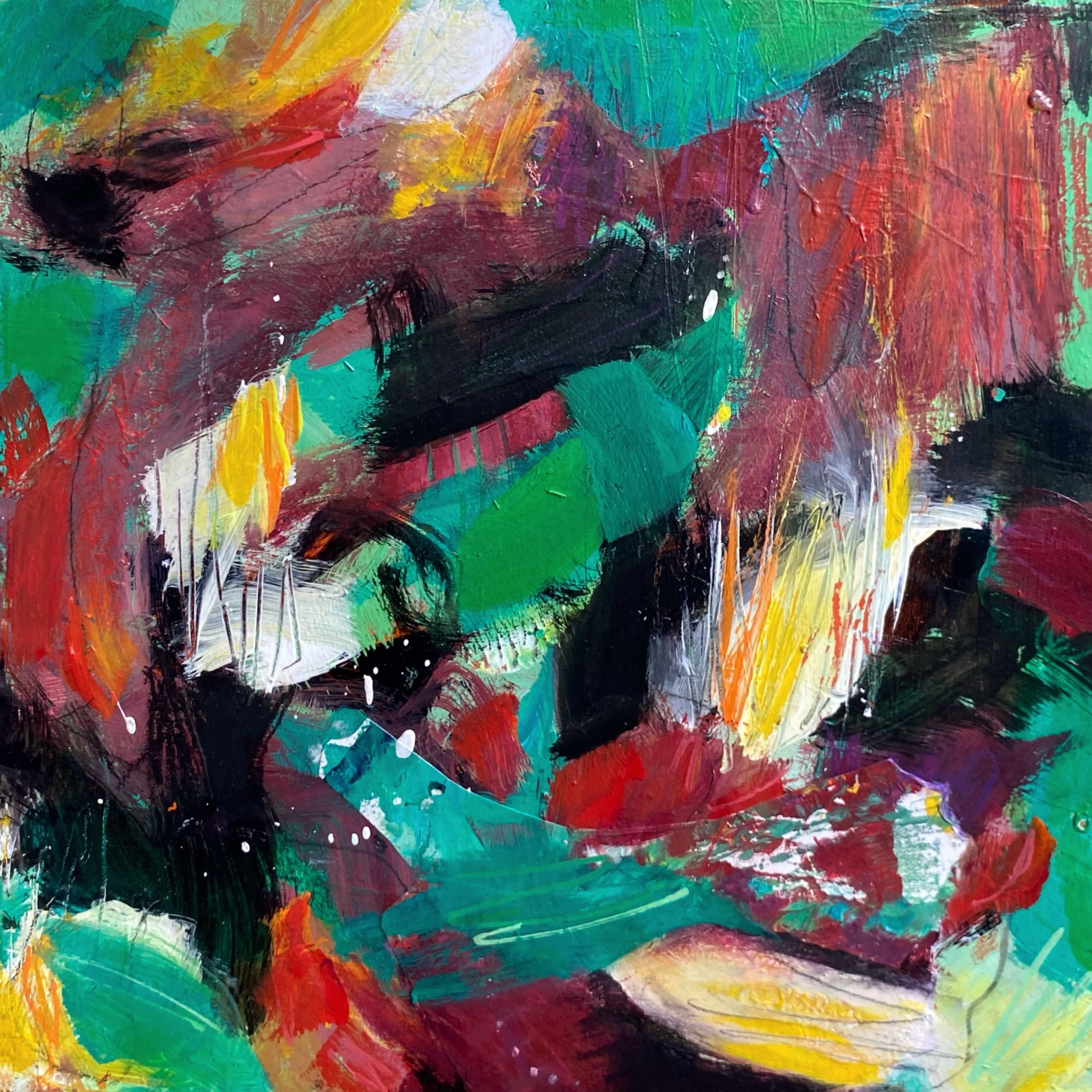
Anne Stine: What the Small Things Know
September 23, 2026 – October 18, 2026
Read more →
September 23, 2026 – October 18, 2026
Sep
23
September 23, 2026 – October 18, 2026
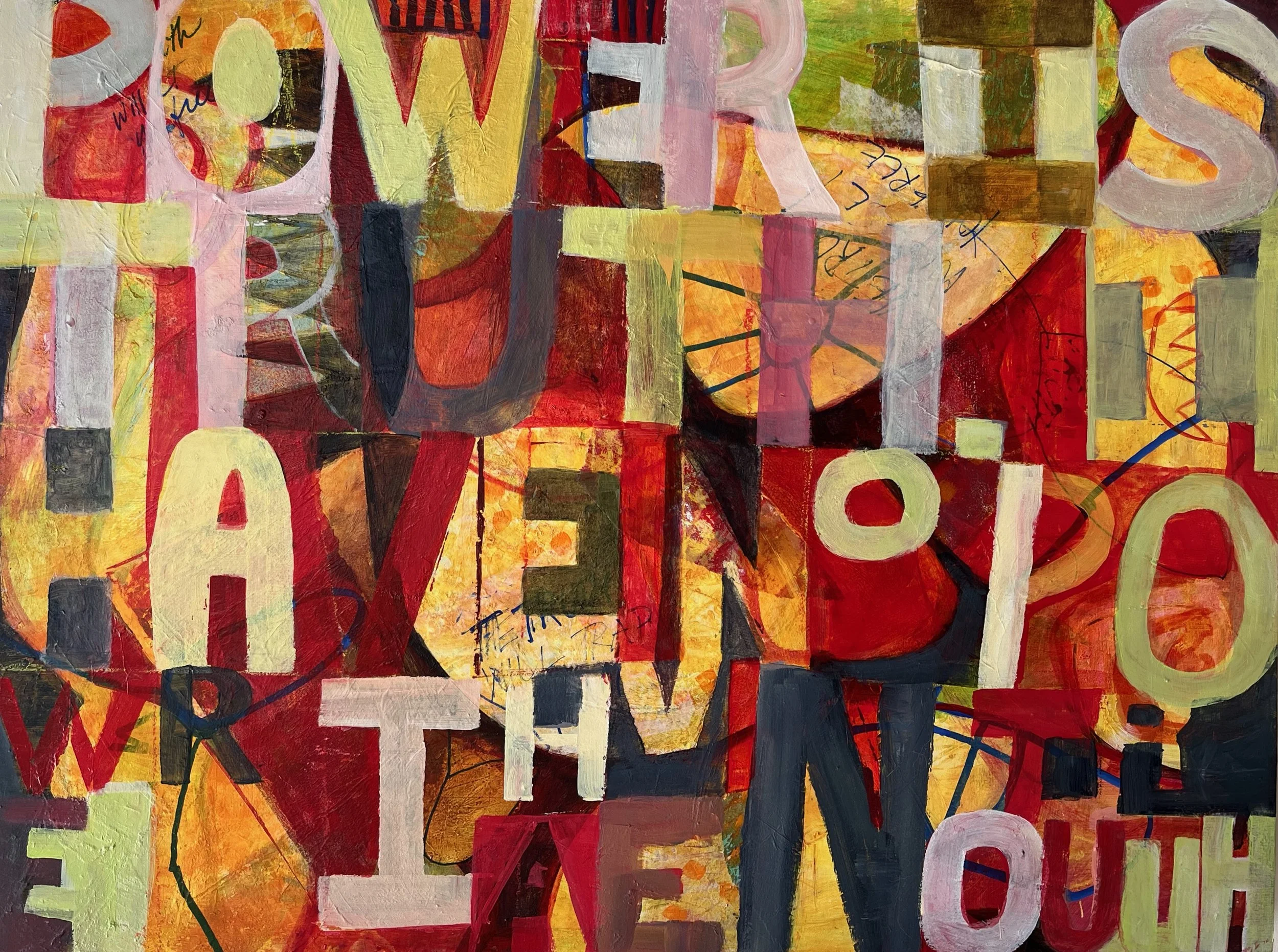
Amy Sabrin: No Words
September 23, 2026 – October 18, 2026
Read more →
September 23, 2026 – October 18, 2026
Sep
23
September 23, 2026 – October 18, 2026
Fall Group Show
September 23, 2026 – October 18, 2026
Read more →
September 23, 2026 – October 18, 2026
Oct
7
October 7, 2026 – October 14, 2026
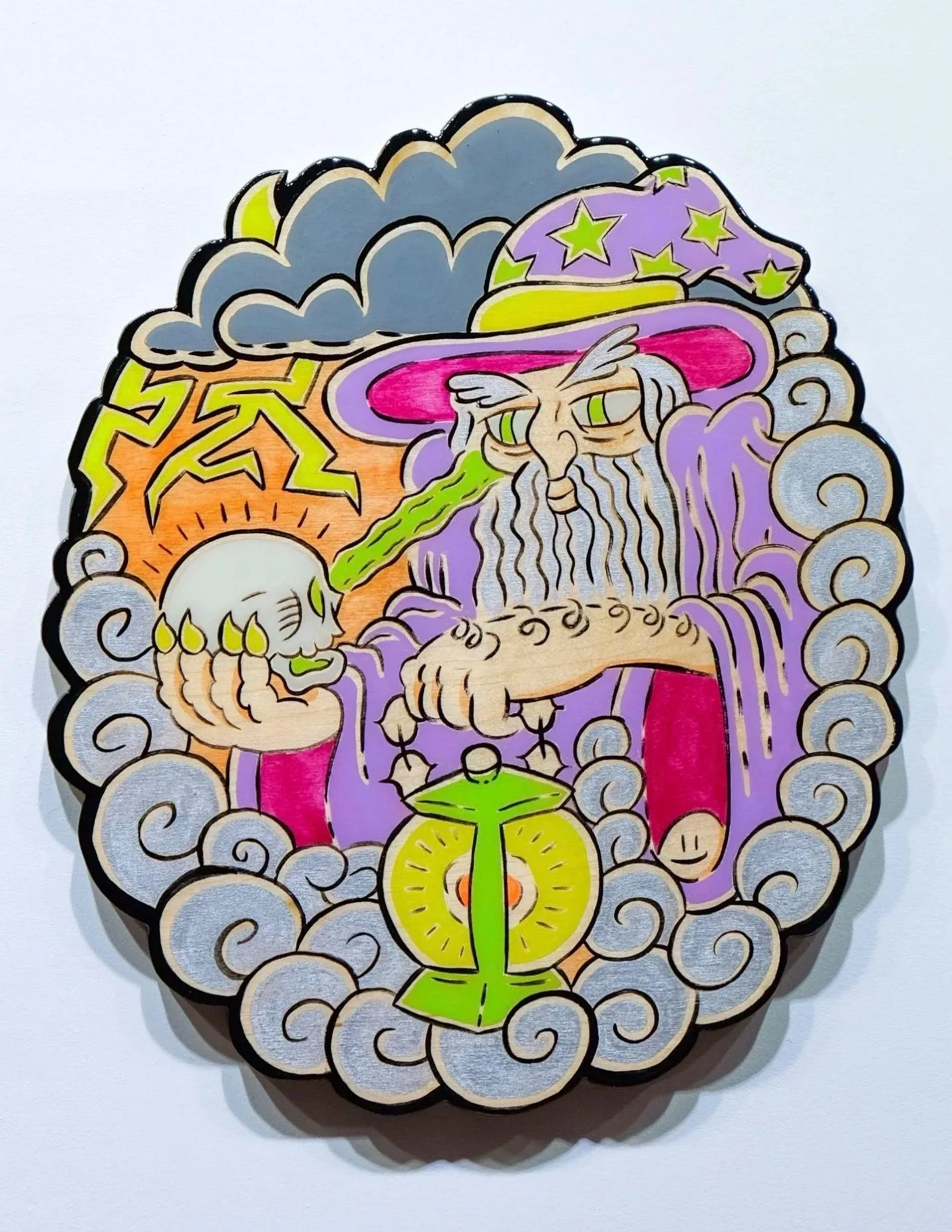
50 for 50: Mike O'Brien
October 7, 2026 – October 14, 2026
Read more →
October 7, 2026 – October 14, 2026
Oct
21
October 21, 2026 – November 22, 2026
Patricia Williams: Transformations and Importations
October 21, 2026 – November 22, 2026
Read more →
October 21, 2026 – November 22, 2026
Oct
21
October 21, 2026 – November 22, 2026
Gale Wallar: Parallelismus
October 21, 2026 – November 22, 2026
Read more →
October 21, 2026 – November 22, 2026
VIEW PAST EXHIBITIONS